Eco-Friendly Lawn Care Practices for a Greener Yard Jul 04, 2026
One of the primary steps in eco-friendly lawn care is choosing the right grass type. Opt for native grasses that are well-suited to your local climate and soil conditions. These grasses tend to require less water and fewer chemicals, as they are adapted to thrive in local environments. Consequently, they perform better through weather variations and help you conserve water.
Speaking of water conservation, sustainable watering practices are crucial in eco-friendly lawn care. Instead of frequent shallow watering sessions, fewer, deeper waterings encourage roots to grow deeper into the soil, making your lawn more drought-resistant. Utilizing rain barrels to collect rainwater is another eco-conscious way to keep your lawn hydrated without over-relying on municipal water supplies.
Fertilization is another area where you can be more environmentally conscious. Organic fertilizers, made from natural materials, release nutrients slowly, reducing the risk of runoff and providing lasting nourishment to your lawn. You can also practice grasscycling, which involves leaving grass clippings on the lawn after mowing. These clippings decompose quickly and provide natural nutrients to the soil, effectively reducing the need for synthetic fertilizers.
When it comes to weed and pest control, it's essential to minimize or completely avoid chemical pesticides and herbicides. Instead, consider using natural alternatives such as neem oil or diatomaceous earth, which are effective but far less harmful to beneficial insects and the ecosystem. Enhancing biodiversity in your yard by planting a variety of plants can also help prevent pest outbreaks, as a diverse environment is less likely to be overrun by a single pest.
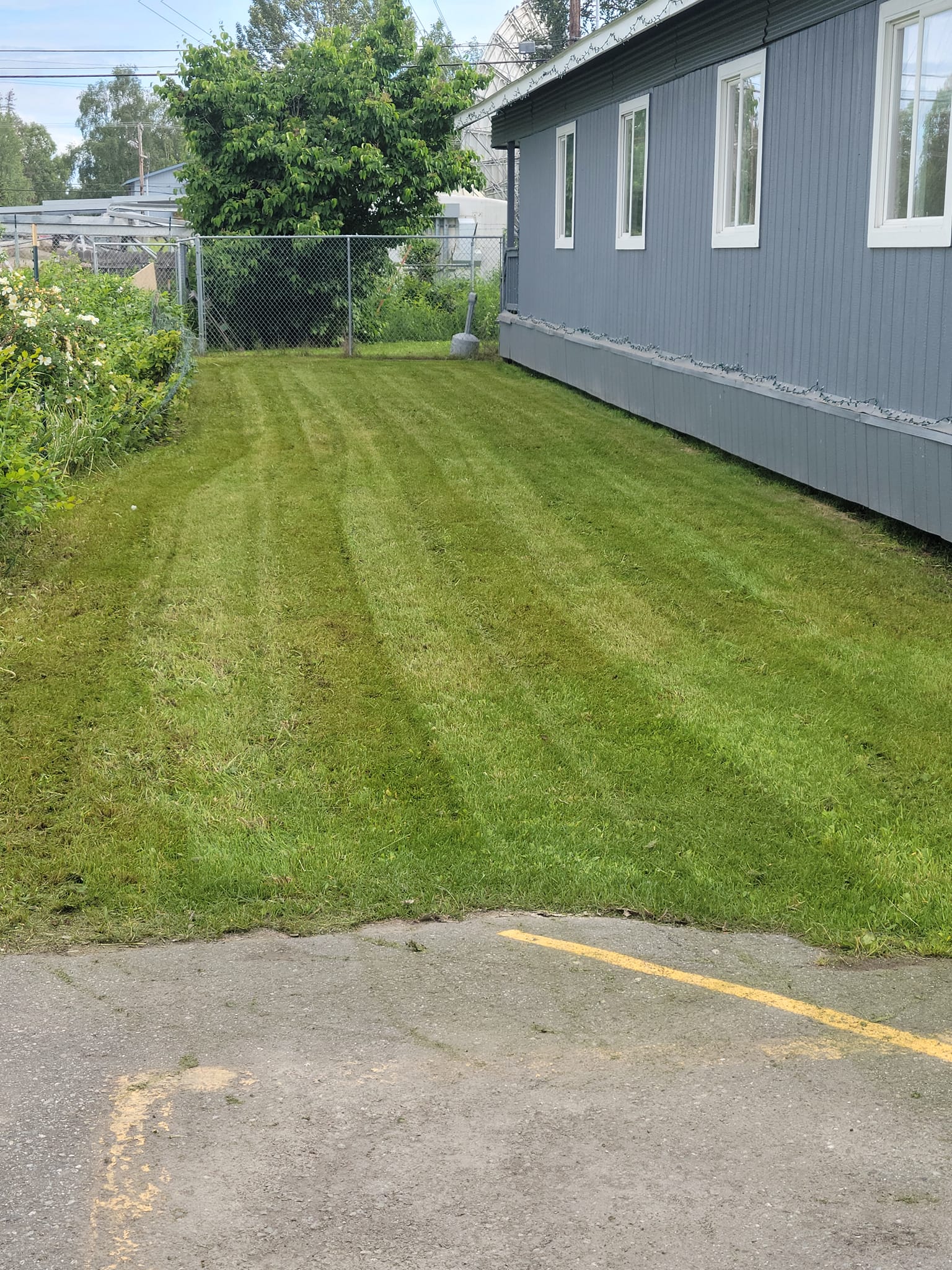
Mowing your lawn correctly can also promote a healthier, more sustainable yard. Keeping your mower blades sharp and setting the mower to the correct height ensures clean cuts, which reduces stress on the grass. Aim to mow only the top third of the grass. Over-cutting can weaken the grass, making it more susceptible to diseases and pests.
Incorporating native or drought-resistant plants and reducing the amount of lawn space with alternative landscaping features like rock gardens or native plant beds can also enhance your yard's sustainability. These features require less maintenance, reduce water usage, and support local wildlife, turning your yard into a vibrant, eco-friendly haven.
Finally, composting yard waste and kitchen scraps is a fantastic way to nurture your soil naturally. By creating your own compost, you enrich your soil with organic matter, improving its structure and ability to retain moisture, which is beneficial for a thriving lawn.
Incorporating these eco-friendly lawn care practices not only contributes to a greener yard but also plays a vital role in supporting local wildlife and promoting environmental sustainability. At Total Lawn Care Service, we're dedicated to helping you implement these practices to create a healthier, more beautiful lawn. Embrace these changes to maintain an inviting, environmentally friendly space that you and future generations can enjoy.
/filters:no_upscale()/filters:format(webp)/media/0214603a-a977-442d-8a5b-2fc4439ddd45.jpeg)
/filters:no_upscale()/filters:format(webp)/media/2cf17893-7233-4501-8332-7cf7c493196c.jpeg)